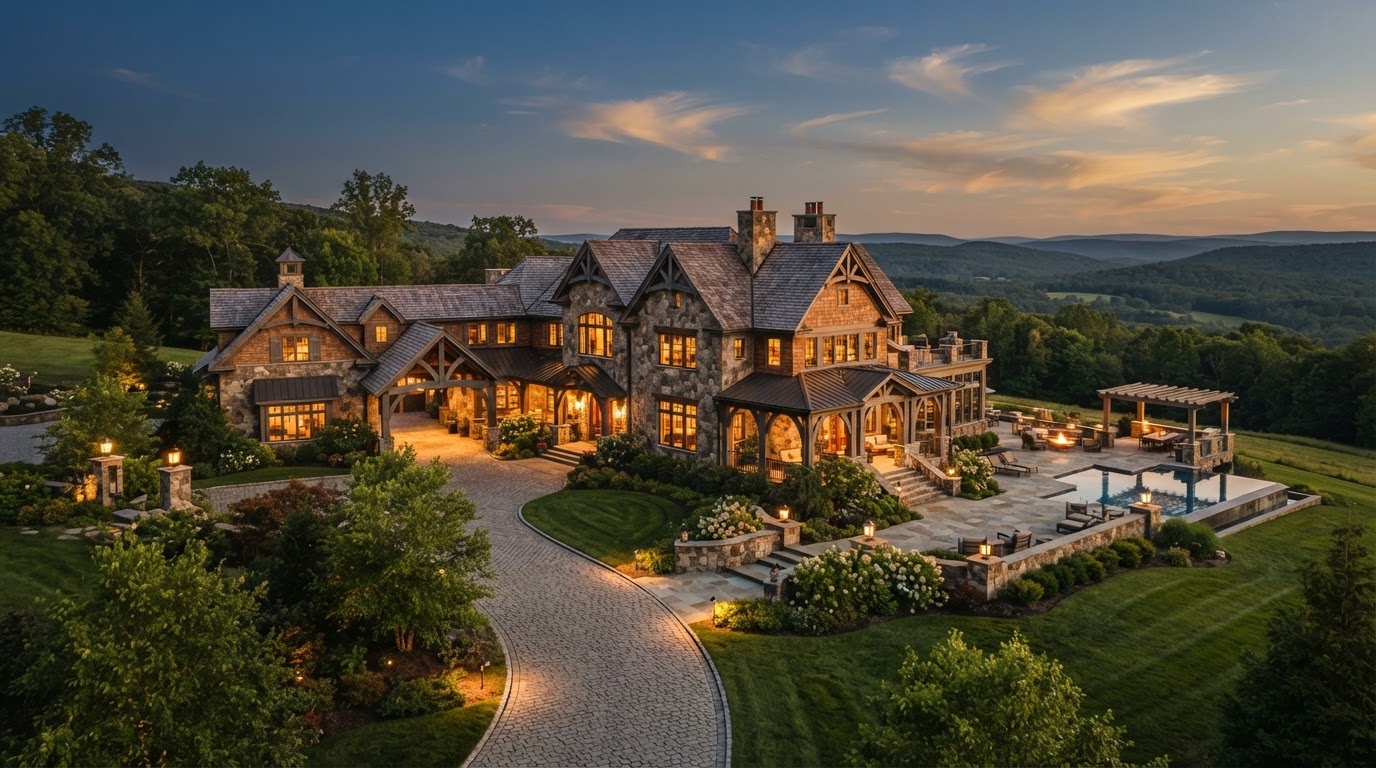

Harrisburg and the Susquehanna River from the air — City Island sits mid-river between the West Shore and East Shore.
If you're considering relocating to Central Pennsylvania, one of the first decisions you'll encounter is whether to live on the West Shore or East Shore of Harrisburg. Although these two areas are separated by the Susquehanna River, their differences extend well beyond geography. Each side offers its own collection of neighborhoods, housing options, employment centers, shopping districts, recreational opportunities, and community characteristics. The West Shore is known for communities such as Camp Hill, Mechanicsburg, Enola, and New Cumberland. The East Shore includes Harrisburg, Colonial Park, Linglestown, Lower Paxton Township, Hummelstown, and Hershey. But which side is better for you? The answer depends on several important factors, including your housing budget, commute, lifestyle preferences, property taxes, and the type of community you want to call home.
1.
Understanding the West Shore and East Shore of Harrisburg. The Susquehanna River runs through the Harrisburg metropolitan area, creating a natural geographic division between its eastern and western communities. While Harrisburg itself sits primarily on the eastern bank, many of the region's suburban communities extend west into Cumberland County and south into York County. The West Shore includes Camp Hill, Mechanicsburg, Lemoyne, Wormleysburg, Enola, New Cumberland, Shiremanstown, and nearby communities in Cumberland, northern York, and southern Perry counties. The East Shore includes Harrisburg, Susquehanna Township, Colonial Park, Linglestown, Lower Paxton Township, Swatara Township, Hummelstown, Hershey, and surrounding Dauphin County communities.
The West Shore generally offers a combination of established residential boroughs, suburban subdivisions, commercial corridors, and expanding new-construction developments. The East Shore has a particularly broad variety of environments, ranging from downtown Harrisburg's urban neighborhoods to the suburban communities of Lower Paxton Township and the small-town atmosphere of Hummelstown. Both sides offer convenient access to Interstate 81, Interstate 83, and other major highways, although the specific routes and commuting patterns differ.
2.
West Shore vs. East Shore: Quick Comparison. The West Shore's primary county is Cumberland, with popular communities like Camp Hill, Mechanicsburg, and Enola, housing styles ranging from suburban to historic borough homes and new builds, major employment access to Mechanicsburg, Carlisle, and West Shore employers, and shopping destinations along the Carlisle Pike and Capital City Mall. The East Shore's primary county is Dauphin, with popular communities like Harrisburg, Linglestown, and Hershey, housing styles spanning urban, suburban, historic, and new builds, major employment access to Harrisburg, Hershey, and state government, and shopping destinations in Colonial Park, Union Deposit Road, and Hershey. The key transportation consideration on both sides is river crossings for jobs on the opposite shore. These are broad geographic tendencies, not rules — for example, Camp Hill has highly walkable streets, while portions of the East Shore offer large suburban lots and newer developments. The specific neighborhood is often more important than the side of the river.
3.
Population, Demographics, and Economic Statistics. One of the most useful ways to understand the differences between the West Shore and East Shore is to examine the demographic and economic characteristics of their primary counties. Cumberland County represents much of the West Shore, while Dauphin County contains the majority of East Shore communities. Cumberland County's population increased from 259,469 in the 2020 Census to an estimated 277,270 residents in 2025 — approximately 17,800 additional residents in five years, a 6.9% increase. Growth is particularly relevant to homebuyers considering areas such as Mechanicsburg, Hampden Township, Upper Allen Township, and Silver Spring Township, where residential construction and commercial development have continued to reshape portions of the landscape. However, population growth does not automatically translate into increasing property values; local housing supply, mortgage rates, employment, and buyer demand all influence pricing.
County-level housing and demographic comparison (2020–2024 ACS): Cumberland County's median household income is approximately $87,494, median owner-occupied home value is $277,600, owner-occupied housing rate is 71.3%, median monthly rent is $1,249, median monthly ownership cost with a mortgage is $1,802, persons per household is 2.40, and median commute is 21.8 minutes. Dauphin County's median owner-occupied home value is $236,400, owner-occupied housing rate is 63.1%, median monthly rent is $1,217, median monthly ownership cost with a mortgage is $1,660, and persons per household is 2.33. The difference in median owner-occupied home values is particularly interesting — Cumberland County's median is approximately 17.4% higher than Dauphin County's. This does not mean that every West Shore property costs more than a comparable East Shore property. Certain neighborhoods in Lower Paxton Township, Hershey, and Hummelstown can command substantial prices, while some West Shore boroughs and older neighborhoods offer comparatively affordable options. The important takeaway is that buyers should compare individual communities, not simply countywide averages.
4.
Housing Prices and Real Estate: Where Can You Get More for Your Money? For many people moving to Harrisburg, the cost of purchasing a home is the deciding factor. Both shores provide housing options at different price points, but the inventory and property styles can vary considerably. The West Shore offers everything from modest starter homes to large executive properties, townhomes, and luxury new-construction communities. Camp Hill is known for its established residential streets, mature trees, traditional architecture, and proximity to Harrisburg — buyers will find brick colonials, Cape Cods, ranch homes, and larger renovated properties. Mechanicsburg is one of the region's most diverse housing markets, with older homes near downtown, townhome developments, single-family subdivisions, and newer communities throughout the surrounding townships. Enola and East Pennsboro Township offer a combination of established neighborhoods, traditional single-family homes, townhomes, and properties with access to the Conodoguinet Creek and surrounding recreational areas. New Cumberland and Lemoyne appeal to buyers interested in older homes, borough living, and convenient access to Harrisburg. Hampden and Silver Spring townships include substantial suburban development, commercial conveniences, and a variety of newer and established residential communities.
The East Shore offers an equally diverse housing market, with additional opportunities for buyers seeking urban living.
Harrisburg City features historic rowhomes, renovated townhouses, detached homes, condominiums, and properties close to downtown employment and entertainment. Colonial Park and Lower Paxton Township offer established suburban subdivisions, ranch homes, split-level properties, traditional two-story homes, townhomes, and select newer developments. Linglestown combines a historic village atmosphere with surrounding suburban communities and access to outdoor recreation near Blue Mountain. Hummelstown features a traditional downtown, established residential neighborhoods, and proximity to Hershey and the Harrisburg area. Hershey offers a mix of established neighborhoods, higher-end properties, and newer construction, with convenient access to healthcare, entertainment, and major employers.
Which shore is more affordable? Based on Census estimates, Dauphin County has a lower median owner-occupied property value than Cumberland County. However, these Census figures are not the same as today's median sold price. For a meaningful 2026 home-price comparison, buyers should evaluate current MLS data for median sold price over the past 90 days and 12 months, active inventory and months of housing supply, average and median days on market, sale-to-list-price ratios, price per square foot for comparable homes, and property taxes and monthly ownership costs. A $350,000 home in Lower Paxton Township should be compared with similar properties in Mechanicsburg or Camp Hill based on age, size, condition, lot size, school district, and amenities. Simply comparing countywide medians can create a misleading impression of affordability. The better question isn't necessarily which shore has cheaper homes — it's which neighborhood offers the features you want at a total monthly payment that fits your budget.
5.
Property Taxes: An Important Difference Buyers Should Understand. Property taxes are one of the most overlooked expenses when relocating to the Harrisburg area. Pennsylvania property taxes are determined by several taxing authorities, generally including the county, municipality, and school district. Because tax rates and assessment practices vary, two similarly priced homes in neighboring municipalities can have noticeably different annual tax bills. The three major components typically include county taxes (levied by Cumberland, Dauphin, York, or Perry County), municipal taxes (levied by the borough, township, or city), and school district taxes (often a significant portion of the total real estate tax bill). A buyer considering a home in Camp Hill Borough may encounter a different tax structure than someone purchasing in Hampden Township, even though both are on the West Shore. Similarly, a property in Harrisburg City can have a substantially different tax obligation than a home in Lower Paxton Township or Derry Township.
Consider two hypothetical homes with identical purchase prices of $350,000.
Home A has annual property taxes of $4,000 ($333/month), while Home B has annual property taxes of $6,500 ($542/month) — an annual difference of $2,500, or approximately $208 more per month before considering insurance, maintenance, or utilities. These figures are illustrations, not tax estimates for particular communities. Before making an offer, verify the actual property taxes, assessed value, applicable exemptions, and any potential reassessment implications. Do not rely solely on a listing's advertised monthly payment.
6.
Schools and Education: Comparing Districts on Both Shores. School district boundaries play an important role in real estate searches throughout Central Pennsylvania. The Harrisburg region includes numerous public school districts, along with private schools, charter schools, and other educational options. Major West Shore districts include Cumberland Valley, Mechanicsburg Area, Camp Hill, East Pennsboro Area, West Shore, and Northern York County. Major East Shore districts include Central Dauphin, Susquehanna Township, Harrisburg, Lower Dauphin, Derry Township, Middletown Area, and Steelton-Highspire. When comparing districts, buyers should examine academic programs, extracurricular activities, graduation rates, transportation, class sizes, and the individual needs of their household. School boundaries can also be surprising — a Mechanicsburg mailing address does not necessarily mean a property is located within Mechanicsburg Area School District; homes with Mechanicsburg addresses may fall within Cumberland Valley or other districts. Likewise, properties with Harrisburg mailing addresses can be located in Central Dauphin, Susquehanna Township, or other school districts rather than Harrisburg School District. Always verify the school assignment using the actual property address and the district's official boundary information.
7.
Commuting and Transportation: Does the River Matter? One of the most significant practical considerations when choosing between the West Shore and East Shore is your daily commute. Although the river separates the two areas, several major bridges connect the communities, including the Interstate 81 bridge, Interstate 83 bridge, Market Street Bridge, and M. Harvey Taylor Bridge. According to the Census Bureau's 2020–2024 estimates, Cumberland County's mean commute to work is 21.8 minutes and Dauphin County's is 21.5 minutes — remarkably similar despite the different geographic layouts. However, averages don't tell the whole story. A person working in downtown Harrisburg and living in Lemoyne may have a relatively short commute, while someone living farther west in Mechanicsburg could spend substantially more time traveling during peak hours. Likewise, a person working at Penn State Health Milton S. Hershey Medical Center may find the East Shore considerably more convenient.
Commuting considerations by destination: for downtown Harrisburg, consider Midtown, Uptown, Camp Hill, Lemoyne, or Wormleysburg; for Hershey Medical Center, consider Hershey, Hummelstown, Lower Paxton, or Swatara; for Mechanicsburg business corridors, consider Mechanicsburg, Hampden, Upper Allen, or Silver Spring; for Carlisle, consider Carlisle, Mechanicsburg, or western Cumberland County; for state government offices, consider Harrisburg and nearby communities on either shore; for Harrisburg International Airport, consider Middletown, Lower Swatara, New Cumberland, and other I-83-accessible areas. These are geographic starting points, not guaranteed travel-time rankings. Crossing the Susquehanna River is part of everyday life for thousands of commuters — traffic congestion, accidents, road construction, and weather can create delays, particularly during morning and evening rush hours. PennDOT has also identified future rehabilitation work for the Market Street Bridge, with construction anticipated as early as 2027, subject to funding and project scheduling. For buyers who commute five days a week, minimizing the number of river crossings can be an important quality-of-life consideration. Our recommendation is to drive your intended commute during the actual hours you would normally travel before deciding on a neighborhood.
8.
Lifestyle: What Is Everyday Living Like? The West Shore provides a blend of traditional small-town living and modern suburban convenience. Residents can explore independent shops in Camp Hill, enjoy restaurants and community events in Mechanicsburg, or visit the shopping centers along Carlisle Pike. Outdoor recreation is available throughout the region, including Adams-Ricci Community Park, the Conodoguinet Creek, and various municipal parks. Some West Shore communities feature walkable borough streets with sidewalks and established residential neighborhoods, while others are designed around larger suburban subdivisions where driving is the primary means of transportation. For buyers who prefer newer construction, the surrounding townships offer opportunities to explore newer single-family and townhome developments.
The East Shore offers a different combination of urban activity, suburban neighborhoods, and regional attractions.
Downtown Harrisburg is home to restaurants, government buildings, cultural venues, and riverfront recreation. Midtown Harrisburg features historic architecture, arts-related destinations, and independent businesses. The Hershey area provides convenient access to Hersheypark, Hershey Gardens, entertainment venues, and healthcare employment. Lower Paxton Township, Linglestown, and Hummelstown offer suburban and small-town environments within reach of these amenities. Outdoor destinations include Wildwood Park, Riverfront Park, and the Capital Area Greenbelt. Neither shore has a monopoly on good restaurants, retail, or entertainment — the West Shore's Carlisle Pike corridor is a major shopping destination, while downtown Camp Hill and Mechanicsburg offer smaller-scale shopping and dining, and the East Shore has Colonial Park-area shopping, downtown Harrisburg restaurants, and the entertainment and dining destinations around Hershey. Your preference will depend on whether you prioritize large retail centers, locally owned businesses, nightlife, or convenient everyday shopping.
9.
Healthcare and Employment Opportunities. Central Pennsylvania benefits from a diverse employment base that includes state government, healthcare, education, transportation, logistics, manufacturing, and professional services. On the East Shore, Harrisburg serves as Pennsylvania's capital, supporting government, legal, administrative, and professional employment, while Hershey is an important healthcare and research employment center anchored by Penn State Health Milton S. Hershey Medical Center and Penn State College of Medicine. On the West Shore, substantial employment activity exists in Mechanicsburg, Camp Hill, Carlisle, and surrounding communities, including medical facilities, corporate offices, distribution centers, retail employers, and businesses connected to transportation and logistics. Major healthcare options include Penn State Health Holy Spirit Medical Center in East Pennsboro Township and UPMC facilities throughout the broader region. The Census Bureau reported for 2023 that Cumberland County had 6,534 employer establishments, 131,167 total employment, and $7.40 billion in annual employer payroll, while Dauphin County had 6,951 employer establishments, 157,994 total employment, and $10.36 billion in annual employer payroll. For someone relocating to Central Pennsylvania, living close to a major employment center may provide more day-to-day value than choosing a particular shore based on reputation alone.
10.
Best Places to Consider on the West Shore and East Shore. On the West Shore, Camp Hill is a strong option for buyers interested in established neighborhoods, traditional architecture, borough amenities, and proximity to Harrisburg — Camp Hill Borough had an estimated median household income of $115,761 in the 2024 ACS five-year data. Mechanicsburg offers historic borough properties, suburban subdivisions, townhomes, and new-construction opportunities, with a borough population of approximately 9,720 in the 2024 ACS five-year estimates (though the broader Mechanicsburg postal area is much larger). Enola is worth considering for buyers who want established residential neighborhoods, access to major highways, and a location between Harrisburg and Mechanicsburg. New Cumberland provides traditional borough character, older residential properties, and access to Harrisburg and southern Cumberland County. On the East Shore, Harrisburg appeals to buyers interested in historic rowhomes, urban living, cultural destinations, and proximity to government and professional employment. Linglestown combines historic village surroundings with suburban residential areas, shopping access, and proximity to Blue Mountain. Hummelstown offers a traditional small-town setting with access to Harrisburg, Hershey, and nearby healthcare and employment centers. Hershey is a popular choice for buyers seeking access to major healthcare employment, entertainment, established residential neighborhoods, and local amenities.
11.
Which Side of Harrisburg Is Better for Retirees? Central Pennsylvania offers several advantages for people considering retirement, including access to healthcare, a variety of housing styles, and convenient travel routes. Both shores have ranch homes, townhomes, condominiums, and age-restricted communities. Buyers planning to downsize may want to prioritize single-level living or first-floor primary suites, HOA responsibilities and maintenance costs, access to healthcare providers, property taxes and retirement income considerations, and proximity to family, shopping, and recreational opportunities. The West Shore offers convenient access to Mechanicsburg, Carlisle, and several established residential communities, while the East Shore offers proximity to Hershey's healthcare facilities, Harrisburg amenities, and suburban areas such as Lower Paxton Township. For retirees, the best choice is often a specific property and community rather than one entire side of Harrisburg.
12.
New Construction vs. Established Neighborhoods. If you're searching for a newly built home near Harrisburg, both sides of the river offer opportunities, though there are important differences in available land and development patterns. The West Shore has experienced considerable residential expansion in portions of Hampden, Silver Spring, and Upper Allen townships, while the East Shore also offers new-construction opportunities, including developments in Lower Paxton Township and other suburban areas. New homes may offer modern floor plans, improved energy efficiency, newer mechanical systems, and builder warranties, and depending on the development stage, buyers may have opportunities to select finishes and customize certain features. Established neighborhoods may provide mature landscaping, larger trees, distinctive architectural details, and convenient locations closer to older downtown areas, and may also offer opportunities for renovations or improvements tailored to the buyer's preferences. Neither type of housing is automatically the better investment — buyers should evaluate construction quality, maintenance, total purchase cost, HOA restrictions, and the surrounding neighborhood.
13.
Cost of Living: Beyond the Purchase Price. Housing costs are only one component of affordability. When comparing the East Shore and West Shore, buyers should also consider utilities, transportation, insurance, maintenance, and lifestyle expenses. As an illustrative example, purchasing a $350,000 property with a 20% down payment at a 6.50% interest rate, with $5,000 annual property taxes and $1,200 annual insurance, produces an estimated monthly payment of approximately $2,286 (principal and interest $1,770, property taxes $417, homeowners insurance $100). This is an illustrative 30-year fixed-rate calculation, not a current mortgage quote — it excludes PMI, HOA fees, utilities, maintenance, and closing costs. As the example demonstrates, even when home prices are similar, property taxes and other expenses can meaningfully affect affordability. A buyer who works in Hershey but lives in Mechanicsburg should also account for commuting costs and time, and someone purchasing a historic home in Harrisburg may want to budget for maintenance or improvements that differ from those associated with newer construction.
14.
Demographic Differences: Age, Household Size, and Diversity. Demographic data can help explain how the two counties differ, although each contains communities with distinct characteristics. Cumberland County has 20.1% of residents under 18 and 20.9% age 65 and older, with an average household size of 2.40, while Dauphin County has 22.0% under 18 and 18.8% age 65 and older, with an average household size of 2.33. Cumberland County has a slightly higher proportion of residents age 65 and older, while Dauphin County has a somewhat higher percentage of residents under 18. The Census Bureau's QuickFacts data also indicates that Dauphin County has a more racially and ethnically diverse population overall than Cumberland County — for example, the reported Hispanic or Latino share is approximately 12.7% in Dauphin County and 6.1% in Cumberland County. Both counties include a variety of communities, cultural organizations, and local traditions. When evaluating a relocation, demographic statistics are useful for understanding the region, but they should not substitute for visiting neighborhoods, researching amenities, and evaluating your own practical needs.
15.
West Shore vs. East Shore: Pros and Cons. The West Shore may appeal to buyers looking for a combination of established boroughs, extensive suburban shopping, newer housing developments, and convenient access to Mechanicsburg or Carlisle employment. Potential considerations include higher home prices in some desirable subdivisions, continued development in growing townships, and the need to cross the river for East Shore employment. The East Shore may appeal to buyers looking for proximity to Harrisburg's downtown, Hershey's healthcare and entertainment destinations, historic urban housing, and a wide variety of suburban neighborhoods. Potential considerations include substantial differences in property taxes among municipalities, variation in housing age and condition, and river crossings for jobs located west of Harrisburg. Neither side is universally better — in fact, some of the most convenient locations in the region are found near the bridges, where residents can access both sides without traveling long distances.
16.
Frequently Asked Questions About Living in Harrisburg, PA. Is the West Shore or East Shore more expensive? Cumberland County has a higher median owner-occupied home value than Dauphin County according to the 2020–2024 Census estimates ($277,600 compared with $236,400), though current home prices vary significantly by neighborhood, property type, and school district. Is Camp Hill better than Hershey? They offer different lifestyles — Camp Hill provides an established borough setting with convenient access to Harrisburg and the West Shore, while Hershey offers proximity to major healthcare employment, entertainment, and local amenities. Is Mechanicsburg a good place to live? Mechanicsburg offers a broad selection of housing styles, employment access, shopping, and residential communities, though buyers should distinguish between Mechanicsburg Borough and the much larger surrounding area that uses Mechanicsburg mailing addresses. Which side is closer to downtown Harrisburg? Downtown Harrisburg is on the East Shore, but some West Shore communities, including Wormleysburg and Lemoyne, are immediately across the river. Where are newer homes more common? Both shores have new-construction communities, with substantial suburban development in portions of Hampden, Silver Spring, and Upper Allen townships on the West Shore and newer homes in East Shore townships including Lower Paxton. Are property taxes lower on the West Shore? Not necessarily — property taxes depend on the municipality, county, school district, and assessed value. Is Harrisburg a good place to retire? The broader Harrisburg region offers a range of housing options, medical facilities, shopping, and recreation, with communities worth considering on both shores. How far is Mechanicsburg from Hershey? The drive generally involves traveling across or around the Harrisburg area, and rush-hour traffic can affect the journey. Is Harrisburg a good place to move from another state? Harrisburg and its surrounding communities offer access to major highways, a diverse employment base, historic neighborhoods, suburban developments, and outdoor recreation.
17.
Final Verdict: Which Side of Harrisburg Should You Choose? After comparing the demographics, housing markets, property taxes, commuting patterns, and community characteristics, one thing becomes clear: there is no single winner in the West Shore versus East Shore debate. If you're looking for suburban developments, established boroughs, access to Mechanicsburg employment, and shopping along Carlisle Pike, the West Shore deserves serious consideration. If you're interested in urban living, proximity to Hershey, Harrisburg's downtown, or suburban communities throughout Dauphin County, the East Shore may be a better fit. But the most important factors are often much more specific — a property that saves you 20 minutes on your daily commute, provides the floor plan you need, or has lower ongoing ownership expenses may be a better choice than another home on the side of the river you originally preferred. That's why we encourage buyers relocating to Central Pennsylvania to explore several communities on both sides before making a final decision.
18.
Detailed Housing Market Statistics: A Community-by-Community Breakdown. Beyond county-level medians, the Harrisburg region's individual communities tell a more precise story. According to recent market data compiled from Realtor.com, Redfin, and Zillow, Camp Hill's median sold price sits around $310,000–$340,000 with roughly 25–35 days on market and a sale-to-list ratio near 99%. Mechanicsburg's broader market median sold price ranges from $367,000–$406,000 depending on the data source and geographic definition, with inventory down roughly 7% year over year. Enola and East Pennsboro Township typically run slightly below the Mechanicsburg median, often in the $250,000–$290,000 range, offering buyers more square footage per dollar. New Cumberland and Lemoyne remain among the more affordable West Shore boroughs, with median sold prices commonly between $230,000 and $270,000. On the East Shore, Harrisburg city's median sold price is considerably lower — often between $160,000 and $190,000 — reflecting its urban housing stock of rowhomes and smaller detached properties. Lower Paxton Township and Colonial Park generally command medians in the $280,000–$340,000 range, while Hummelstown sits around $290,000–$330,000. Hershey remains the region's premium market, with median sold prices frequently exceeding $450,000–$500,000, driven by the Derry Township school district and proximity to the medical center.
19.
Employment by Industry: Who Hires in Central PA? The Harrisburg-Carlisle metropolitan statistical area has a diversified employment base that helps insulate the housing market from single-industry downturns. According to the U.S. Census Bureau's County Business Patterns and Bureau of Labor Statistics data, Cumberland County's largest employment sectors include healthcare and social assistance, retail trade, professional and technical services, transportation and warehousing, and accommodation and food services. Dauphin County's employment is anchored by public administration (state government), healthcare, educational services, retail trade, and professional services. Dauphin County's $10.36 billion in annual employer payroll (2023) exceeds Cumberland County's $7.40 billion, largely because of the concentration of state government and Hershey Medical Center jobs. The unemployment rate in both counties has historically tracked below or near the national average, hovering around 3.5–4.5% in recent reporting periods. For relocators, the practical implication is that both shores offer employment resilience — but the type of work you do may make one side meaningfully more convenient.
20.
Cost of Living Index: How Harrisburg Compares Nationally. The Harrisburg metropolitan area consistently ranks as more affordable than major East Coast metros. According to Council for Community and Economic Research (C2ER) and BestPlaces cost-of-living indices, the Harrisburg-Carlisle metro area's overall cost of living runs roughly 8–12% below the U.S. national average (index of 100), with housing costs often 15–25% below the national average. By comparison, the Philadelphia metro area runs roughly 10–15% above the national average, and the Washington, D.C. metro area runs 40–50% above. This affordability gap is one reason relocators from the D.C., Baltimore, Philadelphia, and New York corridors find their housing dollars stretch considerably further in Central Pennsylvania. Within the region, utility costs, grocery costs, and transportation costs are broadly similar on both shores — the meaningful affordability differences come down to housing prices and property taxes, not everyday expenses.
21.
Education Attainment and School Performance. Educational attainment differs meaningfully between the two counties. According to the 2020–2024 American Community Survey, Cumberland County reports approximately 40–43% of residents age 25 and older holding a bachelor's degree or higher, while Dauphin County reports approximately 36–39%. Both figures are above the Pennsylvania state average of roughly 34%. On standardized performance, school districts such as Cumberland Valley, Camp Hill, and Mechanicsburg Area on the West Shore, and Derry Township (Hershey) and Central Dauphin on the East Shore, consistently post above-average proficiency rates in math and reading on Pennsylvania System of School Assessment (PSSA) exams. GreatSchools and Niche ratings tend to place these districts in the 7–9 out of 10 range. For families relocating with school-age children, the school district often drives the neighborhood decision more than the side of the river — and higher-performing districts tend to correlate with stronger, more stable home values.
22.
Crime and Safety Considerations. Crime rates vary more by specific neighborhood than by shore. According to FBI Uniform Crime Reporting and NeighborhoodScout data, the West Shore boroughs of Camp Hill, Mechanicsburg, and Lemoyne consistently report some of the lowest violent and property crime rates in the region, often well below both the state and national averages. Harrisburg city, by contrast, reports higher property and violent crime rates concentrated in specific urban neighborhoods, though areas like Midtown and Uptown have seen revitalization and improved safety metrics in recent years. East Shore suburbs such as Lower Paxton Township, Swatara Township, and Hummelstown report crime rates closer to — and sometimes below — the national average. The takeaway for relocators: safety is best evaluated at the neighborhood and even street level, not by shore. We encourage buyers to visit areas at different times of day and review local police department crime maps before committing.
23.
Demographic Deep Dive: Age, Income, and Household Composition. The 2020–2024 ACS reveals additional demographic texture. Cumberland County's median age is approximately 41.6 years, slightly older than Dauphin County's median age of approximately 39.4 years, reflecting Cumberland's higher share of retirees and established homeowners. Cumberland County's poverty rate is approximately 7–8%, among the lowest in Pennsylvania, while Dauphin County's poverty rate is approximately 12–13%, influenced by the urban core of Harrisburg. Median household income in Cumberland County is approximately $87,494, while Dauphin County's is approximately $72,000–$76,000 depending on the reporting period. Dauphin County's higher poverty rate and lower median income are largely concentrated within Harrisburg city; the surrounding East Shore suburbs post incomes comparable to or exceeding many West Shore communities. Household composition also differs: Cumberland County has a higher share of married-couple family households (roughly 55–58%), while Dauphin County has a higher share of single-person and non-family households (roughly 35–38%), again reflecting the urban-versus-suburban character of each county.
24.
Housing Affordability and the Price-to-Income Ratio. A useful affordability metric is the price-to-income ratio — median home value divided by median household income. Using 2020–2024 ACS figures, Cumberland County's ratio is approximately 3.2 ($277,600 ÷ $87,494), and Dauphin County's is approximately 3.1–3.3 ($236,400 ÷ ~$72,000–$76,000). Both ratios are below the 4.0 threshold many economists consider a sign of housing stress, meaning Central Pennsylvania remains broadly affordable relative to local incomes — especially compared to coastal metros where ratios routinely exceed 8–10. However, these Census-based values lag current sale prices. Using current median sold prices (often $350,000–$450,000 in desirable suburbs) against current incomes, the effective ratio climbs to roughly 4.5–5.5 in the most sought-after neighborhoods, which is why mortgage rates and down-payment assistance programs play such an important role for today's buyers. First-time buyer programs through PHFA (Pennsylvania Housing Finance Agency) can help bridge this gap on both shores.
25.
Property Tax Rate Comparison by Municipality. Pennsylvania does not publish a single statewide property tax rate; instead, taxes are expressed as millage rates applied to assessed values, which vary by county assessment practices. As a general guide, Camp Hill Borough's total millage (county + municipal + school) tends to run higher than surrounding townships because of its small commercial tax base, while Hampden and Silver Spring townships often have lower effective rates due to their larger commercial and industrial bases. On the East Shore, Harrisburg city's combined rate is among the highest in the region, while Lower Paxton Township and Derry Township (Hershey) sit in the middle. A rough annual tax comparison for a $350,000 home: Camp Hill Borough may see $6,000–$7,500; Hampden Township $4,500–$5,800; Lower Paxton Township $5,000–$6,500; Derry Township $5,500–$7,000; Harrisburg city $6,500–$8,500. These are illustrative ranges — actual bills depend on assessed value, homestead exemptions, and current millage, so always verify the specific property's most recent tax bill before making an offer.
Thinking About Moving to Harrisburg, Pennsylvania? Whether you're considering Camp Hill, Mechanicsburg, Enola, Harrisburg, Linglestown, Hummelstown, Hershey, or another community in Central Pennsylvania, finding the right home starts with understanding the local market. At the Living in Central PA Team with Iron Valley Real Estate, Aaron and Josh help buyers and sellers navigate the Harrisburg region, including Cumberland, Dauphin, Perry, York, and surrounding counties. We understand that relocating involves more than finding a house — it's about understanding neighborhoods, commute times, local housing inventory, property taxes, and the everyday experience of living in a community. If you're planning a move, we'd be happy to help you compare areas, evaluate available properties, and determine which location best matches your goals. Living in Central PA Team | Iron Valley Real Estate — Aaron & Josh — 717-REALTOR (717-732-5867) — www.realcentralpa.com — Living in Central PA on YouTube — Helping you find the right place to call home in Central Pennsylvania.
Key Takeaways
- West Shore (Cumberland Co.) vs. East Shore (Dauphin Co.) — no single winner
- Cumberland Co. median home value ~$277,600; Dauphin ~$236,400 (2020–2024 ACS)
- Cumberland Co. population grew 6.9% since 2020 to ~277,270 (2025 estimate)
- Property taxes vary widely by municipality and school district — verify before offering
- Mean commute is nearly identical: 21.8 min (Cumberland) vs. 21.5 min (Dauphin)
- Always verify school district assignment by address, not mailing city
- Compare total monthly ownership cost, not just list price
- Drive your intended commute at actual work hours before choosing a neighborhood
- Harrisburg metro cost of living runs ~8–12% below the national average
- Hershey is the region's premium market (median sold often $450K–$500K+)
- Cumberland Co. poverty rate ~7–8% (among PA's lowest); Dauphin ~12–13%
- Price-to-income ratio ~3.1–3.3 by Census values — broadly affordable vs. coastal metros
- Dauphin Co. payroll ($10.36B) exceeds Cumberland ($7.40B) — driven by state gov't & Hershey Med
- West Shore boroughs (Camp Hill, Mechanicsburg, Lemoyne) report among the region's lowest crime rates
- PHFA first-time buyer programs can help bridge affordability on both shores