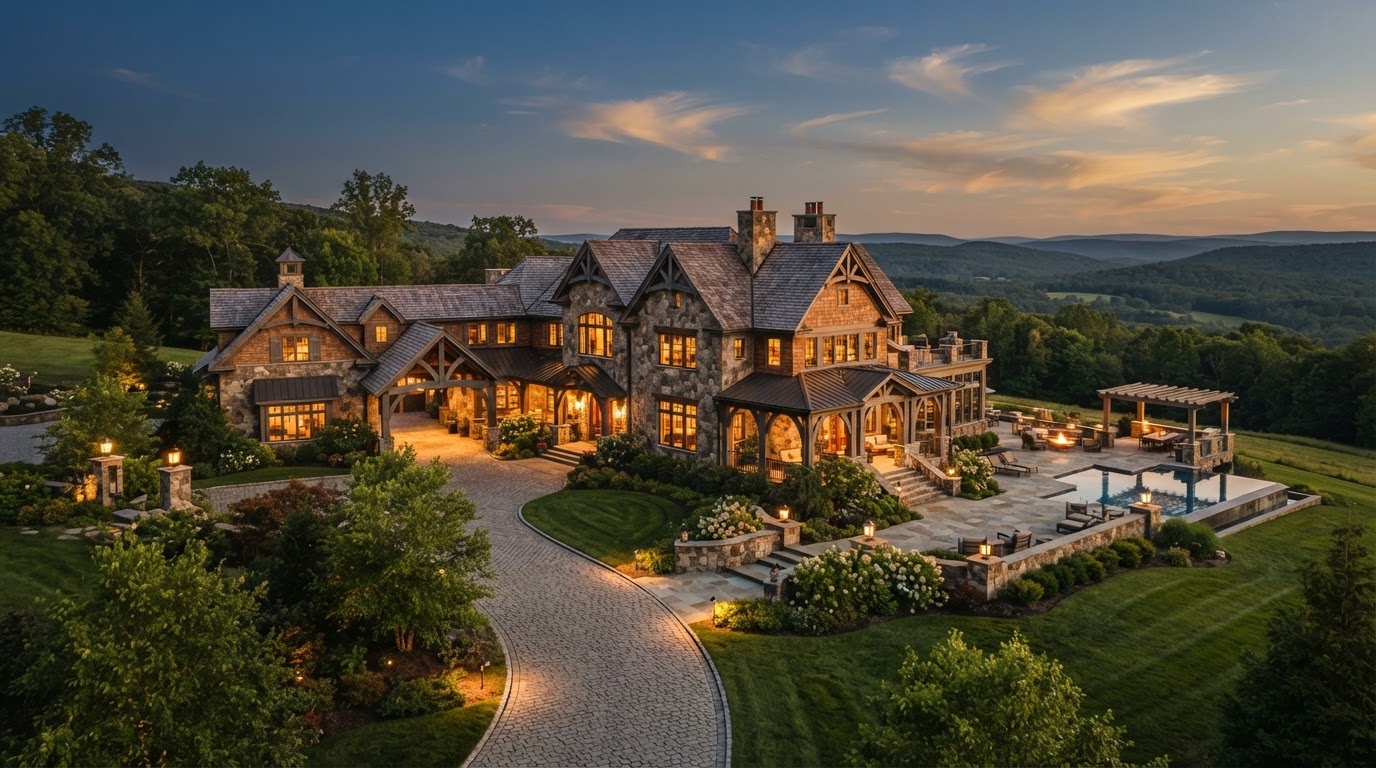

Josh reviews comparable sales, contract terms, and negotiation strategy with buyers at Iron Valley Real Estate.
In Central Pennsylvania, the offer that wins is rarely the offer that just throws the most money at the seller. Price matters — but so do terms, financing strength, timing, and the contingencies you ask for. Whether you're making an offer on a home in Camp Hill, Mechanicsburg, Harrisburg, Carlisle, Hershey, or Lancaster, here's how we structure a strong offer, how we decide what to negotiate and what to concede, and how we help you win the home you want without leaving money on the table or taking on risks you can't see.
Price to the comps, not to the asking.
The first number in an offer should come from the comparable sold properties, not from the list price. When a home is listed, we pull the last 3–6 months of closed sales within the same neighborhood, school district, and price band — adjusted for square footage, condition, lot, and features. If the comps say the home is worth $340,000 and it's listed at $359,000, our offer starts from $340,000, not $359,000. If it's listed at $335,000 and the comps say $340,000, we may offer at or above list. Sellers price homes strategically — sometimes slightly under to generate multiple offers, sometimes slightly over to leave negotiating room. A buyer who anchors to the list price is letting the seller set the terms of the negotiation; a buyer who anchors to the comps is negotiating from the data.
Read the list-to-sold gap in your specific neighborhood.
In the Harrisburg-Carlisle metro, the average sale-to-list price ratio runs near 99–100%, but that average hides the extremes. In Camp Hill, roughly 35–40% of homes sell above list price, 35–40% sell below, and the rest close at asking. In Mechanicsburg, the ratio sits near 100% with inventory down about 7% year over year. In Hershey, the premium market, well-priced homes frequently sell above list. Knowing the specific ratio for your neighborhood and price band tells you whether to offer at, above, or below asking — and how much room you have. We pull this data fresh for every offer we write.
Terms win as often as price.
In a multiple-offer situation, the seller isn't just comparing numbers — they're comparing the likelihood each deal closes. A clean offer at full price with a verified pre-approval, a conventional loan, a reasonable inspection contingency, and a flexible settlement date often beats a higher offer with a shaky pre-qualification, an FHA loan in a competitive appraisal environment, and a long list of contingencies. We've seen sellers take our client's offer over a higher one because our terms were cleaner and our financing was verifiable. The levers we can pull on terms: earnest money amount (higher signals commitment), settlement timeline (flexible to the seller's needs), financing type (conventional vs. FHA vs. VA vs. cash), inspection contingency structure, and rent-back or post-settlement possession if the seller needs time to find their next home.
The inspection contingency — protect yourself without killing the deal.
Some buyers hear 'win the offer' and think 'waive the inspection.' That's almost always the wrong move in Central PA, where much of our inventory is 60–80 years old and an inspection is how you avoid inheriting a $25,000 repair bill. Instead, we structure the inspection contingency to protect you while signaling strength. Options include a standard inspection contingency with a reasonable negotiation window, an inspection 'for informational purposes only' (you can still walk, but won't renegotiate), or an agreed-upn repair credit ceiling — for example, you'll accept the home as-is for any issues under $2,000 but can renegotiate above that. We've negotiated repair credits, price reductions, and seller-paid home warranties more times than we can count, and we've also advised buyers to walk away when an inspection revealed a problem that wasn't worth the risk. The right structure depends on the home, the market, and your risk tolerance.
Financing strength is part of the offer.
Sellers read the financing terms in your offer. A conventional loan with 20% down and a verified pre-approval from a local lender signals a strong, likely-to-close deal. An FHA loan with 3.5% down is fully legitimate (and we work with many first-time buyers using FHA), but in a multiple-offer situation it can be perceived as riskier because FHA appraisals can be stricter and the buyer's financial cushion is thinner. A cash offer beats everything — but cash buyers should still include an appraisal contingency if they want the protection, because a cash offer with no appraisal still ties the price to the market. We help you choose the financing structure that's both honest to your situation and competitive for the specific offer.
Earnest money signals seriousness.
Earnest money — the deposit you put in escrow when the offer is accepted — is a signal. A small earnest deposit ($500–$1,000) reads as a buyer who isn't very committed; a larger one (1–3% of the purchase price) reads as a buyer who is serious and has skin in the game. In a competitive Camp Hill or Mechanicsburg offer, we'll often recommend a stronger earnest money amount to differentiate your offer, with the understanding that it's credited toward your down payment at settlement. The earnest money becomes non-refundable (in most cases) once you clear your contingencies, so we time it to protect you.
Scenario: the multiple-offer in Camp Hill.
A well-priced, updated colonial in Camp Hill lists on a Thursday at $339,000. By Monday, there are four offers. The list price is fair to slightly under market, the home is in the Camp Hill school district, and it's move-in ready. Here's how we'd strategize: we know the comps support up to $350,000; we know the seller wants a clean deal and a 45-day close; we know three of the four offers likely have FHA or low-down financing. Our offer comes in at $349,000, conventional financing with 20% down, a verified pre-approval from a local lender, $7,000 in earnest money, a standard but tight inspection contingency, and a 45-day settlement. We may also include a personal note about the buyers — sellers are human, and in a tie, the family who loves the home often wins. We don't guarantee we win every multiple offer, but we structure each one to be the most competitive honest version of our client's offer.
Scenario: the stale listing in Mechanicsburg.
A home in Mechanicsburg has been listed for 45 days — well past the median days on market — with one price reduction and no offers. This is a different conversation. The seller is now motivated, the home has accumulated market time that buyers read as 'something's wrong,' and there may be room to negotiate aggressively on price, repairs, or closing costs. We'd offer under the current list, ask for a seller-paid home warranty, and potentially request closing-cost help — while still protecting the deal with a solid inspection. A stale listing isn't always a problem; sometimes it's just overpriced originally, and the right offer at the right price closes it.
Scenario: the Hershey premium.
A home in Derry Township lists at $525,000 in the Hershey market, where median sold prices routinely exceed $450,000–$500,000. The comps support the price, the school district drives demand, and the seller has time. Here we're not trying to win on price — we're trying to win on terms and certainty. We offer at list with clean conventional financing, a strong earnest deposit, and a settlement timeline that fits the seller's needs. In a premium market, the buyer who removes uncertainty from the seller's side often wins, even against a higher offer with more risk.
Write a clean offer letter.
A clean offer has no extra demands. We don't ask the seller to leave the refrigerator unless they offered it. We don't ask for a radon remediation credit before there's a radon test. We don't add a home-sale contingency if you don't need one. Every extra ask is a reason for a seller to choose the other offer. We keep the offer tight, the financing clean, the contingencies reasonable, and the settlement flexible. The cleaner the offer, the more competitive it is at any price.
Be ready to move on the moment you decide.
The best offers are written quickly. When you've toured a home and decided it's the one, we write the offer that day, not the next. In a market where the best homes go under contract in days (sometimes hours), a 24-hour delay can be the difference between your offer and an accepted one. We keep the offer paperwork ready and the pre-approval current so when you say 'go,' we go.
Negotiate the response, not just the first number.
When a seller counters, we don't just meet in the middle. We read the counter for what it tells us about the seller's priorities — are they holding firm on price because they need the equity, or are they flexible on price in exchange for a faster close? We've negotiated final prices by offering a higher number in exchange for the seller covering closing costs, by adjusting the settlement date to let a seller rent back, and by removing a contingency the seller found annoying. Every negotiation is a conversation about what each side values most, and we represent your values in it.
Know when to walk.
A strong offer is one you're proud to make — not one you regret at settlement. If the comps don't support the price, if the inspection reveals a problem you can't absorb, or if the seller counters in a way that asks you to take on real risk, walking away is a stronger move than overpaying. We've helped buyers walk from homes they loved because the deal wasn't right, and every one of them found a better fit within weeks. The right offer is the one that wins the right home at the right terms — and sometimes the right offer is the one you don't make. Ready to structure a winning offer? Aaron Rissinger and Josh Krevsky — Living in Central PA Team | Iron Valley Real Estate of Central PA — 717-REALTOR (717-732-5867) — your Central PA real estate agents for purchase offers across Harrisburg, Camp Hill, Mechanicsburg, Carlisle, Hershey, Lancaster, and the 717 area.
Key Takeaways
- Price to the comparable sold properties, not to the list price
- Read the list-to-sold ratio for your specific neighborhood and price band
- Clean terms (financing, earnest money, settlement) win as often as price
- Don't waive the inspection — structure it to protect you without weakening the offer
- Financing strength (verified pre-approval, down payment, loan type) is part of the offer
- A clean offer with no extra demands beats a higher offer with a long contingency list
- Write offers the day you decide — speed wins in tight markets
- Know when to walk — the right offer is the one you're proud to make
- Work with a Central PA real estate agent who knows local offer strategy
- Win multiple-offer situations in Camp Hill, Mechanicsburg, Hershey & Lancaster