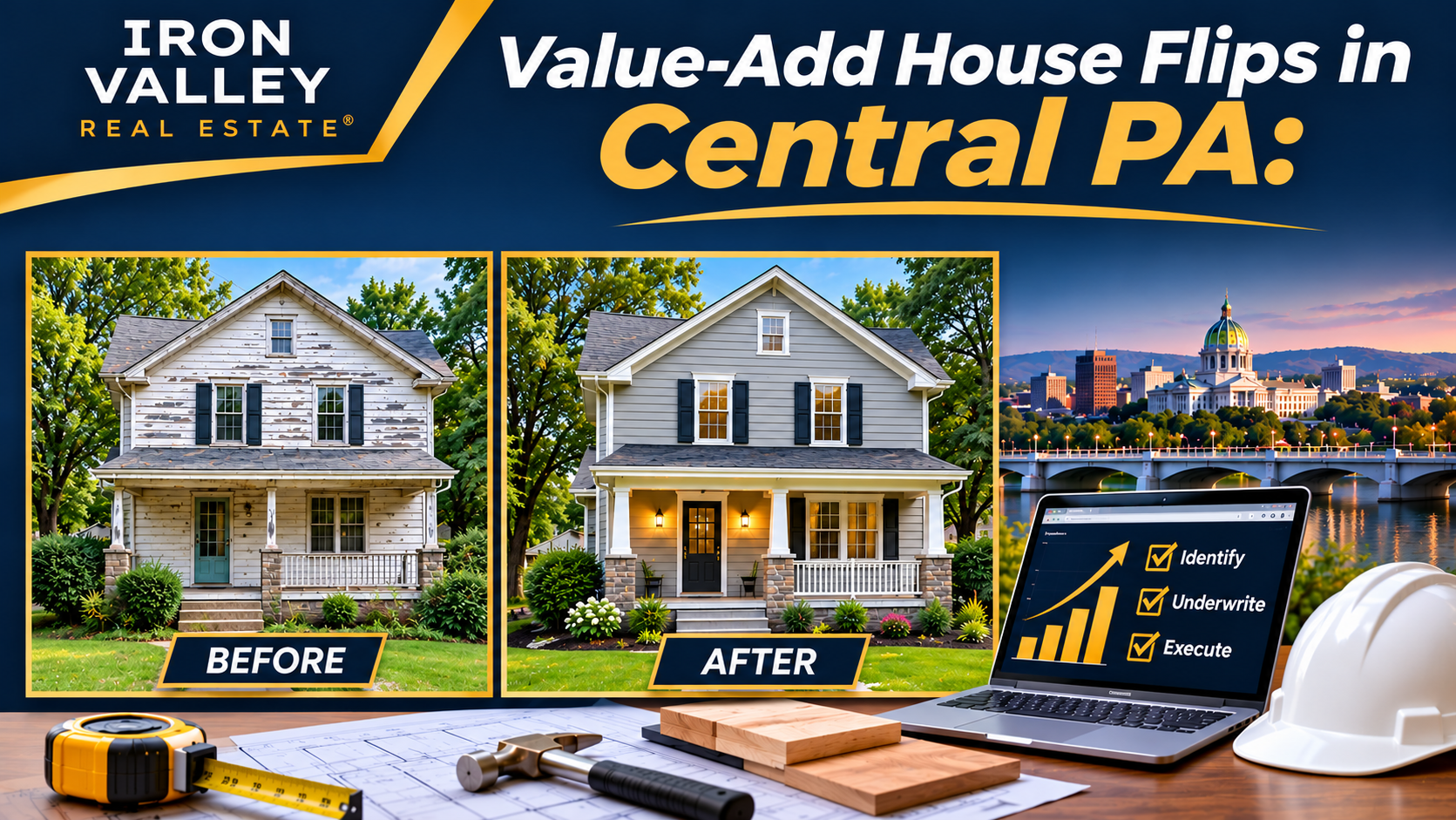
A value-add flip is one of the most active — and most unforgiving — strategies in Central Pennsylvania real estate. Done well, it forces equity by transforming an underpriced, dated, or distressed property into a move-in-ready home that commands a premium resale price. Done poorly, scope creep, over-improvement, and a misread after-repair value turn a projected profit into a loss. Here's a complete, numbers-driven guide to identifying, underwriting, and executing profitable house flips across the 717 area code, with the latest 2026 ARV benchmarks, renovation-cost realities, and the discipline that protects your margin.
See a value-add flip
Drag to reveal the flip
Slide the handle left and right to see how a dated Central Pennsylvania home becomes a move-in-ready, premium-priced listing after a disciplined cosmetic renovation.
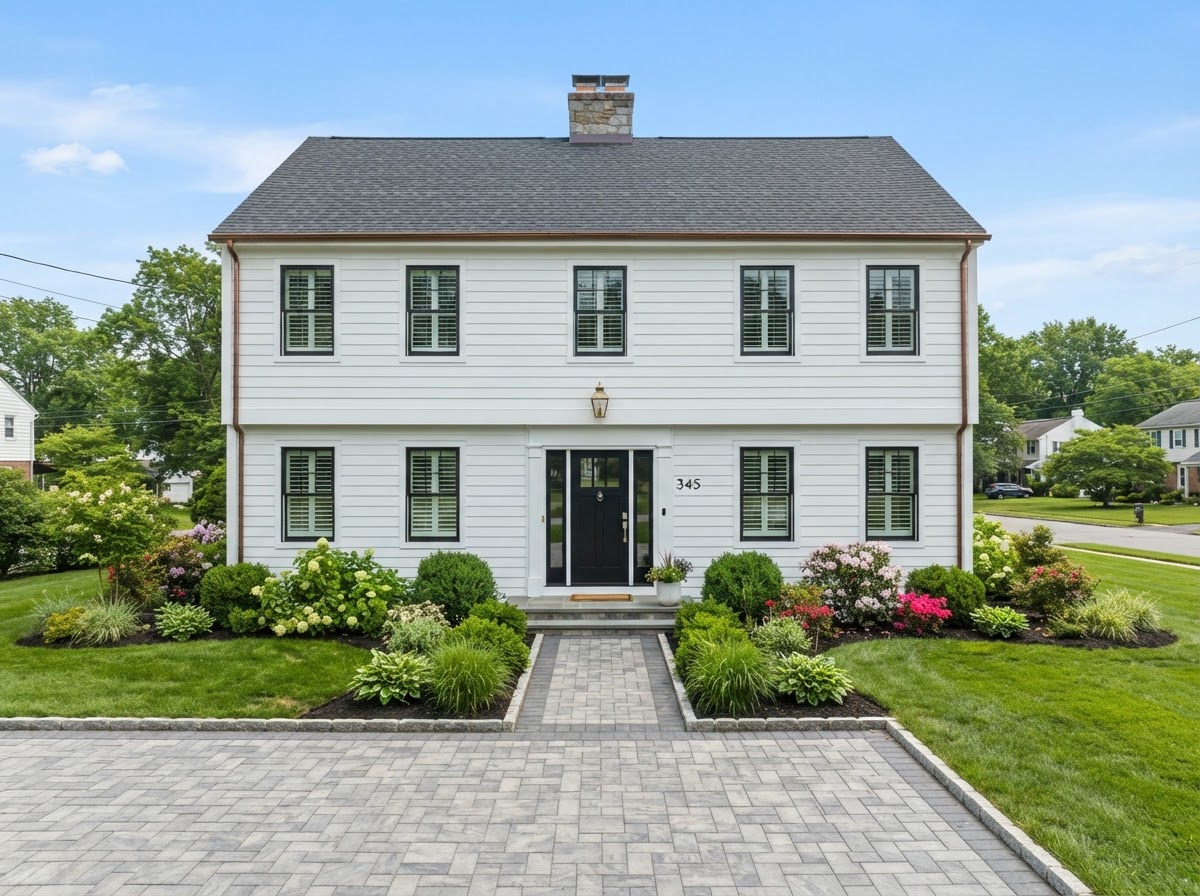
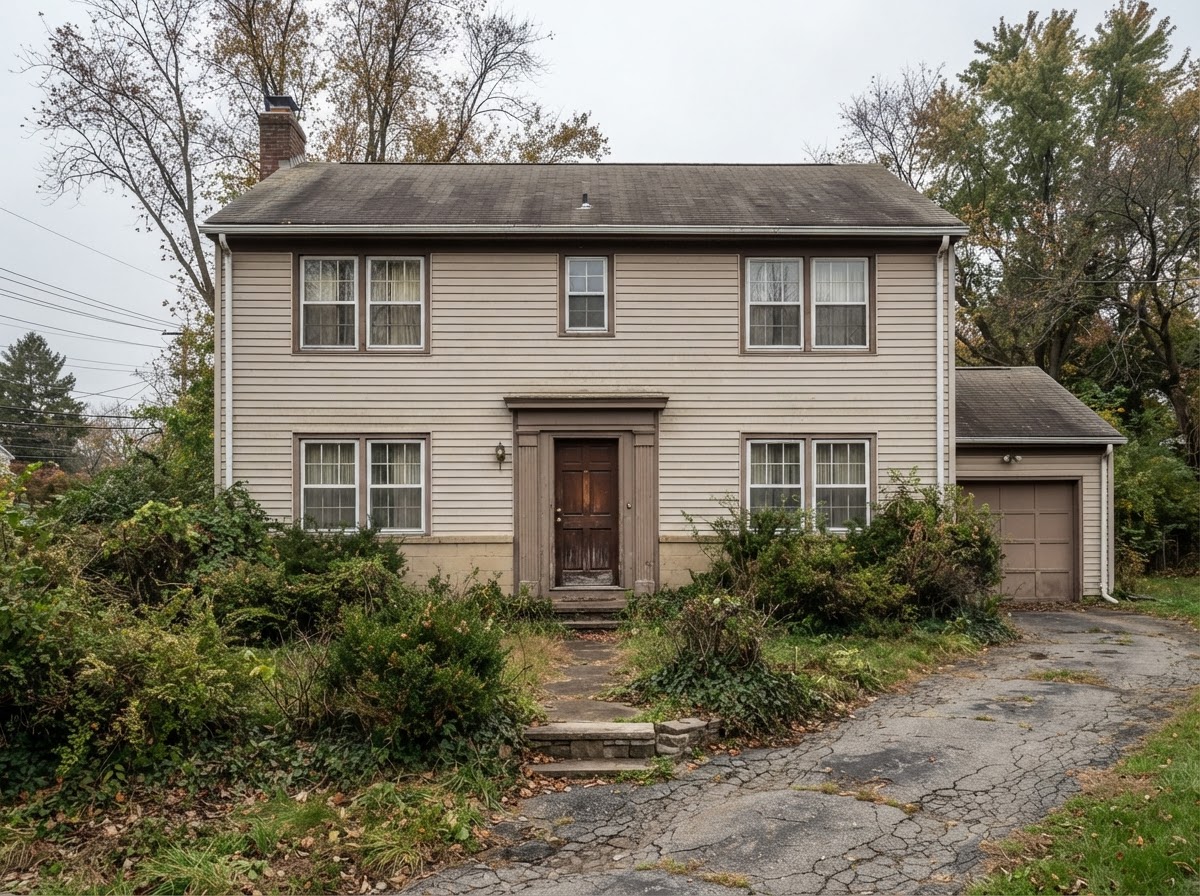 BeforeAfter
The flip math, before anything else.
A profitable flip is underwritten before you buy, not after you start demo. The core formula is: Maximum Allowable Offer (MAO) = ARV × (1 − profit margin − rehab costs − holding/closing costs). For a Central PA flip targeting a 15–20% profit margin, with rehab costs of 20–30% of ARV and holding/closing costs of 8–12% of ARV, your MAO typically lands at roughly 55–65% of ARV. If a comparable renovated home in your target neighborhood sells for $350,000 (your ARV) and you budget $80,000 in rehab and $30,000 in holding and closing costs, a 15% profit margin means your MAO is roughly $187,000. Every dollar above that erodes your margin. We help investors run this math on every candidate before making an offer.
Finding underpriced properties with real upside.
The profitable flips are the ones other buyers overlook. We source flip candidates from expired and withdrawn listings, estate and probate sales, pre-foreclosure and short-sale situations, tired-landlord turnkeys, and dated but structurally sound homes in desirable neighborhoods where cosmetic renovation will move the value needle. In Central PA, the strongest flip candidates tend to be mid-century ranches and Colonials in established Cumberland and Dauphin county suburbs — homes with good bones, functional layouts, and desirable school-district assignments, where a $40,000–$80,000 cosmetic renovation (kitchen, baths, flooring, paint, lighting, curb appeal) can lift the resale price by $80,000–$150,000. Over-improving a home beyond the neighborhood ceiling is the single most common profit-killer.
After-repair value (ARV): the number that makes or breaks a flip.
ARV is the price your renovated home will realistically sell for — not the price you hope for. We determine ARV from the most recent 30–90 day sold comparables within the same neighborhood, school district, and price band, adjusted for square footage, bed/bath count, lot size, garage, and condition. In 2026, renovated single-family homes in Mechanicsburg's surrounding townships commonly resell in the $375,000–$475,000 range; in Camp Hill Borough, $380,000–$520,000; in Lower Paxton Township, $340,000–$460,000; in Carlisle, $260,000–$360,000; and in Harrisburg city's stronger neighborhoods, $220,000–$320,000. Underwriting to a conservative ARV — not an optimistic one — is what keeps your margin intact when the market softens.
Estimating rehab costs realistically.
Renovation costs in Central PA run roughly $80–$150 per square foot for a full cosmetic renovation (kitchen, two baths, flooring, paint, lighting, fixtures, doors, trim) and $150–$250 per square foot for a gut renovation that includes mechanicals, plumbing, electrical, and layout changes. A 1,800 sq ft cosmetic flip typically costs $60,000–$90,000; a full gut on the same footprint can exceed $150,000. Aaron's construction and rehab background means we walk every candidate property and build a real scope of work — line by line — before you commit, so your rehab budget reflects what the property actually needs, not a generic rule of thumb. Common scope-creep culprits in older Central PA homes: knob-and-tube or aluminum wiring, galvanized or lead water lines, failed cast-iron waste lines, aging roofs, and foundation or drainage issues.
Holding and carrying costs.
Every month you own the property costs money. A flip carrying 6 months at a $1,500/mo mortgage (interest-only on a hard-money or DSCR loan), $300/mo property taxes, $150/mo insurance, $200/mo utilities, and $100/mo maintenance adds roughly $13,500 in holding costs — before any closing costs on the sale. We model the realistic timeline from acquisition to listing to closing (often 4–8 months total) and build the carrying costs into your MAO so they don't surprise you at the end. The fastest way to erode a flip margin is a rehab that runs long because the scope wasn't underwritten up front.
Renovating to the neighborhood, not to a magazine.
The most profitable flips renovate to the expectations of the buyer pool in that specific neighborhood — not to a generic luxury standard. In a $350,000 ARV Mechanicsburg suburb, that means a clean, modern, neutral renovation: shaker or flat-panel cabinets, quartz or granite counters, LVP or refinished hardwood, updated lighting and plumbing fixtures, fresh neutral paint, and strong curb appeal. In a $500,000+ Camp Hill or Hershey flip, buyers expect higher-end finishes, larger islands, and more custom detail. Over-improving a $300,000 ARV home with $80,000 in imported cabinetry and a $25,000 steam shower is money you will not recover. We help you calibrate the finish level to the comp set so every renovation dollar returns at least a dollar in resale value.
Managing the rehab: contractor selection and oversight.
Central PA has a strong trades base, but contractor selection and oversight are where flips succeed or fail. We recommend getting at least three bids on the full scope of work, verifying contractor licensing and insurance, checking references on similar completed projects, and structuring payment draws tied to milestones — not time. A fixed-price contract with a clear scope and a realistic timeline protects your budget from open-ended change orders. For out-of-area investors, Aaron's construction background is a genuine advantage: we can scope the work, vet the bids, and provide on-the-ground oversight so the rehab stays on budget and on schedule without you being on site every day.
Positioning the resale for top dollar.
When the renovation is complete, the resale gets the same white-glove marketing we bring to every Central PA listing — professional photography, drone footage where it adds context, a floor plan, and targeted digital exposure across the Bright MLS and our Living in Central PA channels. We price to the leading edge of the renovated comp set (not above it), launch with a strong first-72-hours marketing push, and target both owner-occupant buyers and fellow investors who recognize quality. A well-renovated flip in a desirable Central PA neighborhood routinely sells at or near the top of its comp range when priced and presented correctly.
The exit flexibility of a value-add.
One of the underappreciated strengths of a value-add is its exit flexibility. If the renovated property sells quickly at or above ARV, you take the profit and move to the next deal. If the market softens during your hold, you can refinance into a long-term rental, place a tenant, and let the rent cover the carrying cost while you wait for a stronger sale window — the BRRRR (Buy, Rehab, Rent, Refinance, Repeat) strategy. That flexibility is why we underwrite every flip to cash-flow as a rental too, so a soft market never forces a distressed sale.
Common flip mistakes in Central PA.
Overpaying for the acquisition because the ARV was optimistic. Underestimating rehab because the scope wasn't walked line by line. Over-improving beyond the neighborhood ceiling. Ignoring carrying costs in the MAO. Choosing a contractor on price alone without verifying similar completed work. And pricing the resale above the comp set, which adds days on market that erode the final net. We help investors avoid each of these by underwriting conservatively, scoping realistically, and marketing the finished product to the buyers who'll pay for quality.
How we help value-add investors.
From sourcing off-market and underpriced candidates to walking the property and building a real scope of work, underwriting the ARV against current sold comps, managing the acquisition and rehab oversight, and listing the finished home with cinematic marketing — we work both sides of the flip. Aaron's construction, mortgage, and rehab background means you get an underwriting partner who can read a property's bones, and Josh's commercial and redevelopment experience helps you see the value-add others miss. And when the renovation is done, we list it for top dollar — whether it's your first flip or your fiftieth. Living in Central PA Team | Iron Valley Real Estate — Aaron & Josh — 717-REALTOR (717-732-5867).
Key Takeaways
- Underwrite the flip before you buy — MAO = ARV × (1 − margin − rehab − holding)
- Central PA MAO typically lands at 55–65% of conservative ARV
- Source from expired/withdrawn listings, estates, pre-foreclosures, tired landlords
- Cosmetic rehabs run $80–$150/sqft; full guts $150–$250/sqft in Central PA
- Renovate to the neighborhood buyer pool — over-improving erases profit
- Model 4–8 months of carrying costs into your MAO from day one
- Get three bids, verify references, tie payment draws to milestones
- Price the resale to the leading edge of the renovated comp set
- Underwrite every flip to cash-flow as a rental too — exit flexibility protects you
- We source, scope, underwrite, manage, and list flips end to end
Previous Article
Buy-and-Hold Rental Properties in Central PA: A Complete Investor's Guide to Cash-Flowing Real Estate in the 717
Next Article
Multi-Family & Small Commercial Real Estate in Central PA: An Investor's Guide to Duplexes, Triplexes, Four-Plexes, and Mixed-Use Across the Harrisburg-Carlisle Corridor